KUALA LUMPUR

3D Rendering Services That Drive Property Sales Results

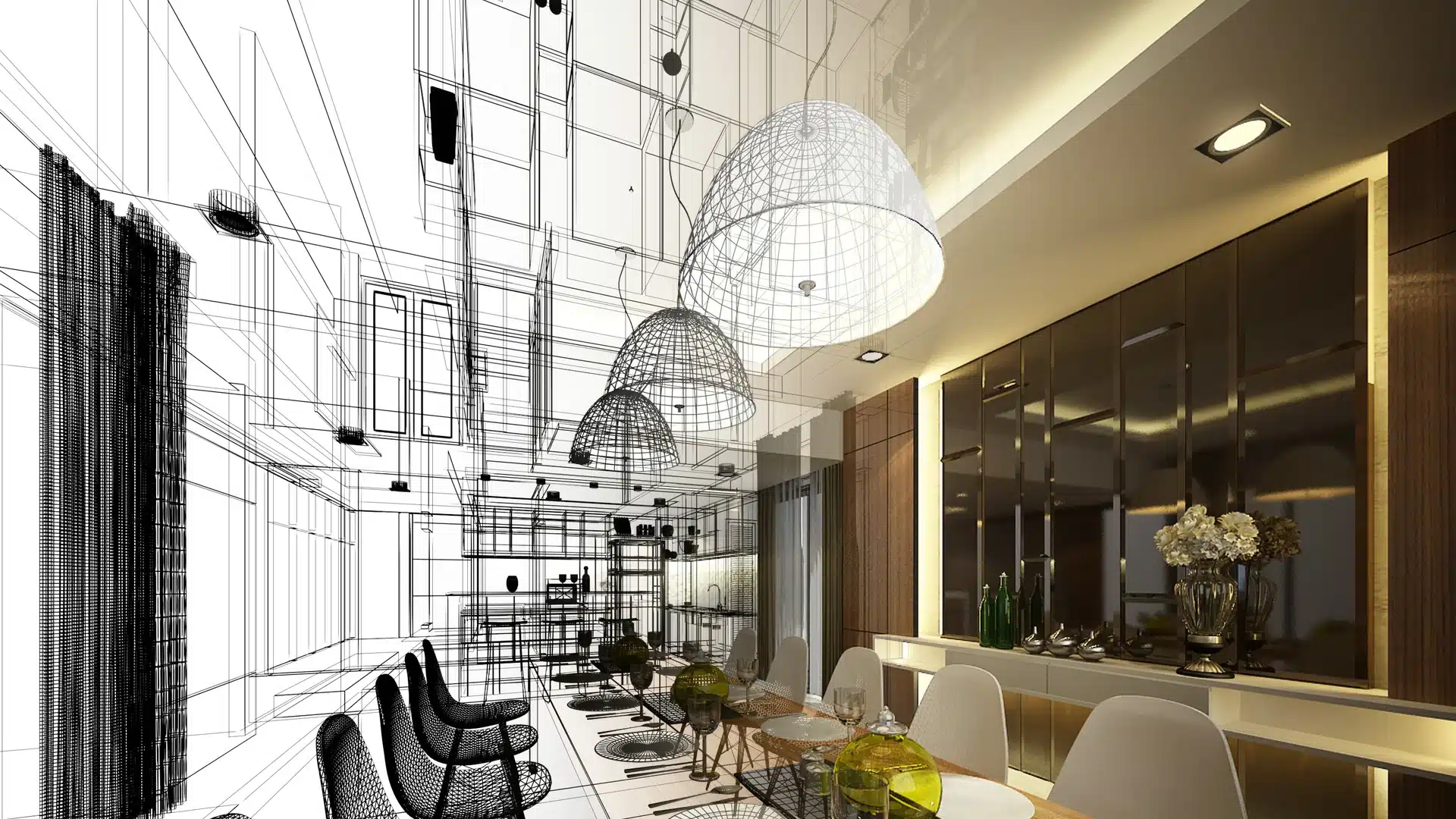
Split-view rendering process showing a half-finished 3D interior model transitioning into a fully photorealistic residential space to illustrate property visualisation workflow.

Summary 

  • Perspective rendering recreates how people naturally perceive depth, scale, and distance — making architectural and real estate visuals far easier to interpret.
  • It supports every stage of a project: from early design reviews and planning approvals through to pre-launch property marketing.
  • Techniques range from one-point and two-point perspective to lighting simulation and material rendering, each serving a different presentation goal.
  • Pre-launch campaigns rely heavily on perspective rendering because the physical development does not yet exist — strong visuals carry the entire narrative.
  • Multiply Studio delivers perspective rendering solutions that help architects and developers present projects with the clarity and conviction that earns buy-in.

Property buyers now research extensively online before committing to a viewing, let alone a purchase. Visual presentation has become a decisive factor in whether a project earns interest or gets scrolled past. For developers and marketing teams, 3D rendering services bridge the gap between technical drawings and what buyers actually need to see: a space they can imagine living or working in.
Strong visual content communicates layout, atmosphere, and project value far more directly than floor plans alone — across sales launches, investor briefings, and leasing campaigns.

What Buyers Actually See — and Why It Changes Everything

Realistic 3D visualisation gives buyers a far clearer picture of a project than drawings can. Rather than asking them to interpret a plan, you show them the finished space — furnished, lit, and set in context.

This distinction matters most in the early sales phase, when buyers are forming first impressions before a showroom or completed site exists.

The Visual Formats That Do the Heaviest Lifting

Different visual styles direct buyer attention to different aspects of the project. Some highlight architecture and façade; others focus on comfort, daily use, and lifestyle.

Property marketing teams commonly use rendering to:

  • Show exterior building design and façade details
  • Present furnished interior spaces with accurate lighting
  • Highlight facilities such as pools, gyms, and lounges
  • Create lifestyle scenes matched to target buyer profiles
  • Strengthen digital ads, brochures, and online listings
  • Support launch presentations and sales gallery displays.

Each format serves a different moment in the buyer’s decision-making process.

Beyond Aesthetics: Showing How a Space Actually Works

Buyers and tenants increasingly want to understand how a space works, not just what it looks like. Rendering that focuses on flow, usability, and tenant experience answers questions that photographs of empty spaces cannot.

Visual Focus

Purpose

Common Application

Space Planning

Shows movement between areas

Homes and office layouts

Tenant Experience

Shows how people use the space

Retail and hospitality projects

Shared Facilities

Highlights amenities and access

Condominiums and mixed-use projects

Site Context

Shows surrounding environment

Large-scale developments

Ready to define the right rendering approach for your next launch? Ask the 3D rendering experts how they can support you at every stage of the sales and marketing process.

Residential, Commercial, Hospitality — the Right Rendering for Each

The differences are significant. Residential projects centre on comfort, lifestyle, and emotional connection. Commercial projects prioritise function, circulation, and usability. Matching your rendering approach to the property type ensures your marketing communicates the right value to the right audience.

Key Differences: Residential vs Commercial 3D Rendering

Different property types require different visual priorities. Each rendering style supports different marketing goals and buyer expectations.

Property Type

Main Focus

Common Rendering Features

Residential

Comfort and lifestyle

Warm lighting and furnished spaces

Commercial

Function and usability

Open layouts and circulation flow

Hospitality

Guest experience

Ambience and shared facilities

Retail

Customer movement

Storefront visibility and signage

Before You Brief a Studio, Settle These First

Getting clear on your brief before production begins saves time and keeps your visuals aligned with campaign goals. Work through these points early:

  • Define whether visuals are for sales, leasing, or investor presentations
  • Choose between static renders, walkthroughs, or animation
  • Confirm the realism level required for your audience
  • Prepare drawings, layouts, and material references
  • Align timelines with project launches and campaign windows
  • Ensure output formats work across websites, social media, and print.

Clear planning reduces revision cycles and keeps presentations consistent from launch through to handover.

Standing Out in a Crowded Market with Custom Rendering

Property marketing is competitive, especially in dense residential and commercial markets. Custom rendering helps projects stand out by targeting specific buyer segments and maintaining a cohesive visual identity across every channel.

Targeted Marketing Strategies with Custom 3D Renderings

Custom renderings are adjusted based on audience type, campaign objectives, and project positioning. Marketing teams use them to:

  • Build distinct visuals for different buyer segments
  • Drive digital campaigns and paid social ads
  • Produce launch collateral and sales presentations
  • Highlight a project’s key differentiators
  • Prepare investor-focused materials for formal presentations
  • Maintain consistent visual branding across all touchpoints.

Advanced 3D Rendering Techniques for Properties

Different rendering techniques help improve realism and presentation quality for property marketing campaigns.

Technique

Purpose

Benefit

Photorealistic Rendering

Creates lifelike visuals

Increases buyer engagement 

Aerial Rendering

Shows full site layout 

Communicates development scale 

Walkthrough Animation

Simulates movement through spaces 

Clarifies layout and flow 

Day and Night Views

Shows lighting at different times

Highlights atmosphere and ambience

Elevate Your Property Marketing with Multiply Studio’s 3D Rendering Services

Buyers form their first impression of a project long before they visit a showroom or completed site. That makes realistic, well-structured visual presentation one of the most direct levers available to property marketing teams today.


At Multiply Studio, we provide 3D rendering services built for developers, marketers, and design teams who need stronger visual communication across residential and commercial campaigns. From photorealistic stills to marketing-focused visualisation, we help you present projects in a way that earns attention and drives decisions. Contact us today to strengthen your next property campaign.

Share the Post:
Split-view rendering process showing a half-finished 3D interior model transitioning into a fully photorealistic residential space to illustrate property visualisation workflow.

Summary 

  • Perspective rendering recreates how people naturally perceive depth, scale, and distance — making architectural and real estate visuals far easier to interpret.
  • It supports every stage of a project: from early design reviews and planning approvals through to pre-launch property marketing.
  • Techniques range from one-point and two-point perspective to lighting simulation and material rendering, each serving a different presentation goal.
  • Pre-launch campaigns rely heavily on perspective rendering because the physical development does not yet exist — strong visuals carry the entire narrative.
  • Multiply Studio delivers perspective rendering solutions that help architects and developers present projects with the clarity and conviction that earns buy-in.

Property buyers now research extensively online before committing to a viewing, let alone a purchase. Visual presentation has become a decisive factor in whether a project earns interest or gets scrolled past. For developers and marketing teams, 3D rendering services bridge the gap between technical drawings and what buyers actually need to see: a space they can imagine living or working in.
Strong visual content communicates layout, atmosphere, and project value far more directly than floor plans alone — across sales launches, investor briefings, and leasing campaigns.

What Buyers Actually See — and Why It Changes Everything

Realistic 3D visualisation gives buyers a far clearer picture of a project than drawings can. Rather than asking them to interpret a plan, you show them the finished space — furnished, lit, and set in context.

This distinction matters most in the early sales phase, when buyers are forming first impressions before a showroom or completed site exists.

The Visual Formats That Do the Heaviest Lifting

Different visual styles direct buyer attention to different aspects of the project. Some highlight architecture and façade; others focus on comfort, daily use, and lifestyle.

Property marketing teams commonly use rendering to:

  • Show exterior building design and façade details
  • Present furnished interior spaces with accurate lighting
  • Highlight facilities such as pools, gyms, and lounges
  • Create lifestyle scenes matched to target buyer profiles
  • Strengthen digital ads, brochures, and online listings
  • Support launch presentations and sales gallery displays.

Each format serves a different moment in the buyer’s decision-making process.

Beyond Aesthetics: Showing How a Space Actually Works

Buyers and tenants increasingly want to understand how a space works, not just what it looks like. Rendering that focuses on flow, usability, and tenant experience answers questions that photographs of empty spaces cannot.

Visual Focus

Purpose

Common Application

Space Planning

Shows movement between areas

Homes and office layouts

Tenant Experience

Shows how people use the space

Retail and hospitality projects

Shared Facilities

Highlights amenities and access

Condominiums and mixed-use projects

Site Context

Shows surrounding environment

Large-scale developments

Ready to define the right rendering approach for your next launch? Ask the 3D rendering experts how they can support you at every stage of the sales and marketing process.

Residential, Commercial, Hospitality — the Right Rendering for Each

The differences are significant. Residential projects centre on comfort, lifestyle, and emotional connection. Commercial projects prioritise function, circulation, and usability. Matching your rendering approach to the property type ensures your marketing communicates the right value to the right audience.

Key Differences: Residential vs Commercial 3D Rendering

Different property types require different visual priorities. Each rendering style supports different marketing goals and buyer expectations.

Property Type

Main Focus

Common Rendering Features

Residential

Comfort and lifestyle

Warm lighting and furnished spaces

Commercial

Function and usability

Open layouts and circulation flow

Hospitality

Guest experience

Ambience and shared facilities

Retail

Customer movement

Storefront visibility and signage

Before You Brief a Studio, Settle These First

Getting clear on your brief before production begins saves time and keeps your visuals aligned with campaign goals. Work through these points early:

  • Define whether visuals are for sales, leasing, or investor presentations
  • Choose between static renders, walkthroughs, or animation
  • Confirm the realism level required for your audience
  • Prepare drawings, layouts, and material references
  • Align timelines with project launches and campaign windows
  • Ensure output formats work across websites, social media, and print.

Clear planning reduces revision cycles and keeps presentations consistent from launch through to handover.

Standing Out in a Crowded Market with Custom Rendering

Property marketing is competitive, especially in dense residential and commercial markets. Custom rendering helps projects stand out by targeting specific buyer segments and maintaining a cohesive visual identity across every channel.

Targeted Marketing Strategies with Custom 3D Renderings

Custom renderings are adjusted based on audience type, campaign objectives, and project positioning. Marketing teams use them to:

  • Build distinct visuals for different buyer segments
  • Drive digital campaigns and paid social ads
  • Produce launch collateral and sales presentations
  • Highlight a project’s key differentiators
  • Prepare investor-focused materials for formal presentations
  • Maintain consistent visual branding across all touchpoints.

Advanced 3D Rendering Techniques for Properties

Different rendering techniques help improve realism and presentation quality for property marketing campaigns.

Technique

Purpose

Benefit

Photorealistic Rendering

Creates lifelike visuals

Increases buyer engagement 

Aerial Rendering

Shows full site layout 

Communicates development scale 

Walkthrough Animation

Simulates movement through spaces 

Clarifies layout and flow 

Day and Night Views

Shows lighting at different times

Highlights atmosphere and ambience

Elevate Your Property Marketing with Multiply Studio’s 3D Rendering Services

Buyers form their first impression of a project long before they visit a showroom or completed site. That makes realistic, well-structured visual presentation one of the most direct levers available to property marketing teams today.


At Multiply Studio, we provide 3D rendering services built for developers, marketers, and design teams who need stronger visual communication across residential and commercial campaigns. From photorealistic stills to marketing-focused visualisation, we help you present projects in a way that earns attention and drives decisions. Contact us today to strengthen your next property campaign.

Share the Post:

Related Posts

Join Our Newsletter