KUALA LUMPUR

VR Malaysia: Virtual Tours vs Static Renderings Comparison

A VR demo in action shows how immersive tours offer deeper engagement than static visuals alone.

Summary 

Comparing virtual tours and static renderings helps you choose the right solution for client engagement, project scale, and marketing success. This article guides you through the strengths and trade-offs of each visualisation method in the context of virtual reality (VR) in Malaysia, so you can deliver persuasive, photorealistic presentations that resonate with your audience and goals.

Selecting the right visualisation technique is central for delivering projects that meet Malaysia’s higher standards for detail, transparency, and client engagement. As expectations grow for immersion and technical precision, it’s vital to understand where both virtual reality tours and static renderings fit into your workflow. This comparison will help you make informed decisions at every stage. 

Introduction: Visualisation Trends in Malaysia

The Malaysian property market is evolving — and with rising expectations for transparency, detail, and immersion, advanced digital visualisation is now critical. Whether you’re navigating pre-sales, design approval, or marketing, you know that bridging the gap between plans and reality is more challenging than ever. 

Recognised by industry leaders like CIDB Malaysia, professional visualisation is no longer a luxury, but a cornerstone of effective project delivery and client satisfaction.

Why Visualisation Matters for Malaysian Architecture

Precise, compelling visuals enable you to communicate design intent, test spatial ideas, and resonate emotionally with clients and stakeholders. With local regulations, sustainability targets, and diverse project requirements guiding every design, clear and persuasive visuals improve both precision and the pace at which decisions are made. 

Virtual Tours and Static Renderings: Key Definitions

To make informed choices, it’s important to distinguish how each visualisation approach delivers value:

  • Virtual Tours (VR): Interactive 3D or 360-degree environments that allow users to explore spaces digitally.
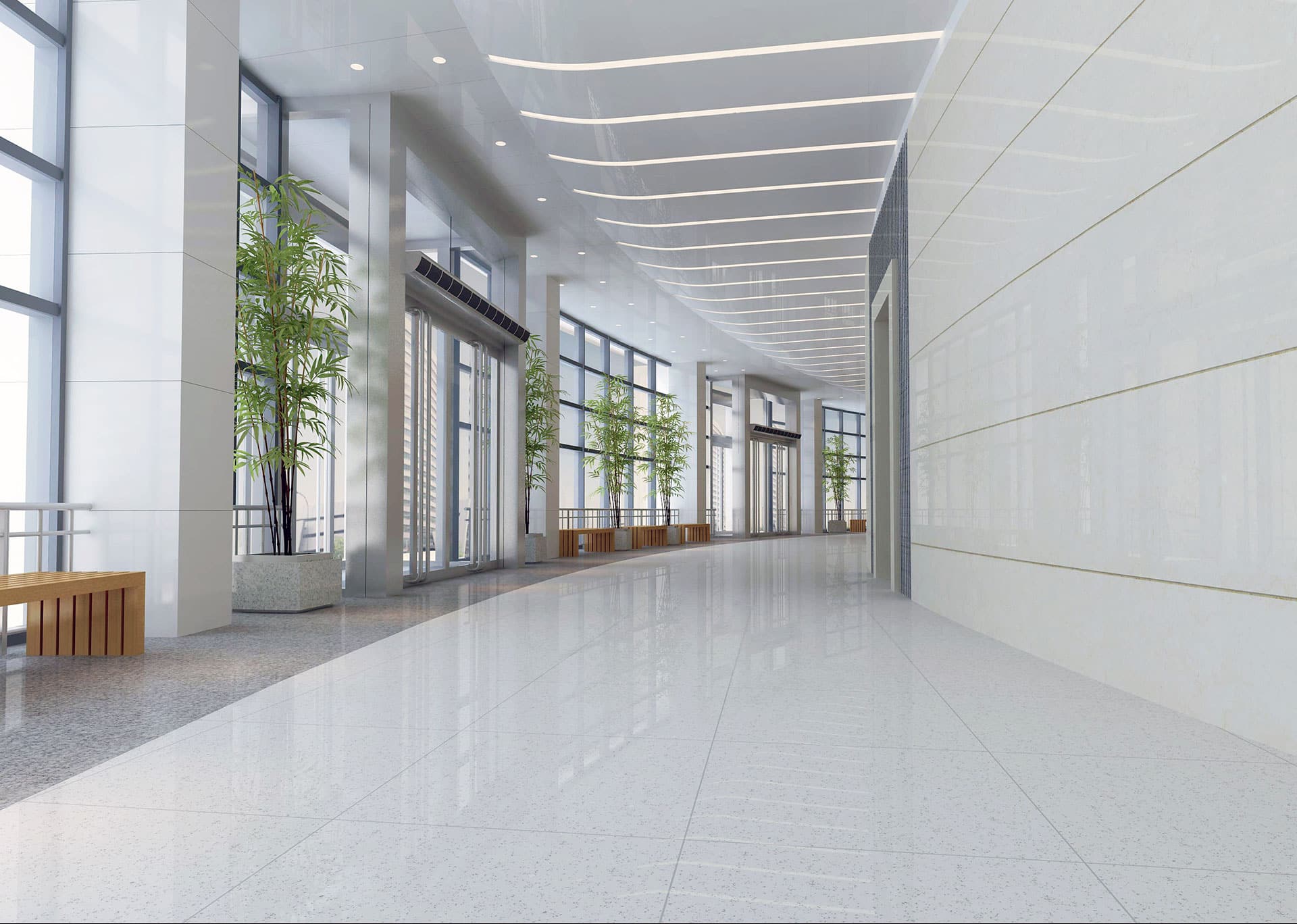
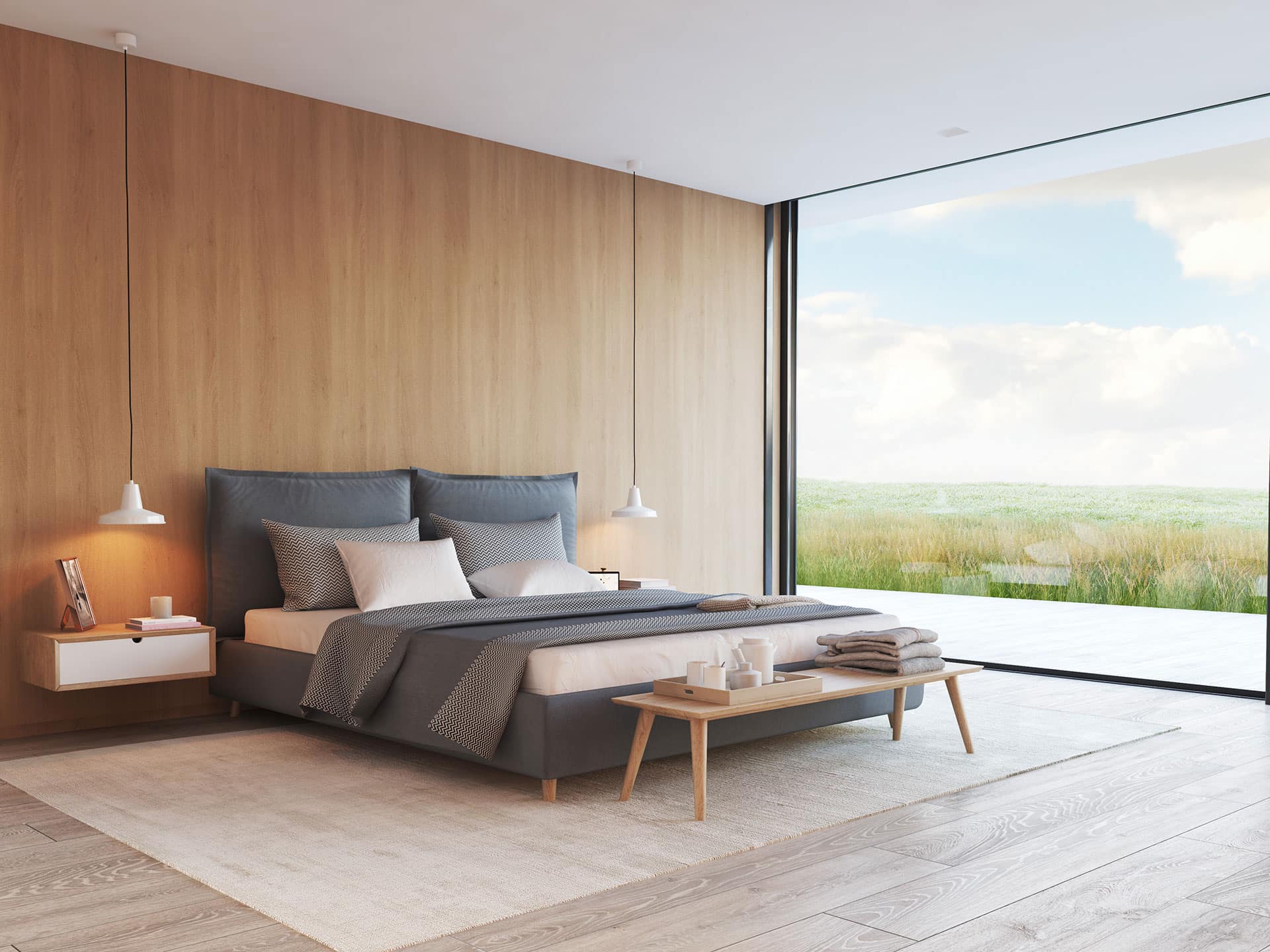
  • Static Renderings: High-resolution, photorealistic images of architectural or interior scenes captured from specific viewpoints.

VR Malaysia Tours: Interactive Virtual Tours Explained

As digital engagement becomes more sophisticated, virtual tours are increasingly shaping how property professionals present new projects and engage with clients. Understanding the fundamentals of VR Malaysia technologies — and how they are applied — can help you determine when an interactive virtual tour is the right fit.

What Makes a Virtual Tour Interactive?

A virtual tour is built on immersive technology. It stitches together panoramic images or renders real-time 3D environments so viewers can move within a space using mouse, touch, or VR headsets. Elements like clickable hotspots, perspective switching, and embedded content add layers of interactivity that static media cannot match.

Malaysia VR Technologies and User Experience

In Malaysia, adoption of virtual reality platforms and headsets is accelerating, supported by increased availability of affordable VR viewers and cloud-based solutions. Modern VR tours typically deliver:

  • Seamless browser/mobile access — no software required
  • Optimised user flows for low-latency internet speeds
  • Compatibility with both desktop and mobile devices.

Interactive visualisation can reduce pre-construction decision cycles by up to 30%, underscoring real value for design and development professionals.

Virtual Tour Benefits for Designers, Developers, and Agencies

Here’s how virtual tours directly empower your project workflow and communication:

  • True-to-Life Immersion: Clients can walk through and experience actual scale and flow, minimising misinterpretation.
  • Customisation: Change finishes, lighting, or furnishings on-demand for rapid iteration.
  • Engagement: Interactive features (annotations, pop-ups) foster deeper understanding and dialogue during presentations.
  • Competitive Edge: VR experiences are memorable, helping projects stand out in pitch environments.

Not sure which visualisation method is best for your project?
Connect with Multiply Studio for guidance into VR solutions in Malaysia that align with your priorities and goals.

Static Renderings: Features and Use Cases in Malaysia

While virtual tours drive interactivity, static renderings hold an equally crucial place in the visualisation toolkit. These detailed stills remain the standard for a wide range of marketing and design communication contexts. 

What Are Static Renderings?

A static rendering combines advanced 3D modelling, lighting simulation, and post-processing to create still images of a space or façade. Renderings can be photorealistic or stylised, depending on project needs.

When to Use Static Renderings

Static renderings are ideal when:

  • Conveying design quality through a highly polished image
  • Communicating complex ideas simply in marketing brochures or reports
  • Highlighting specific angles, materials, or moods difficult to achieve with photography or simple sketches.

They remain the backbone of project marketing, especially where bandwidth, timeline, or audience familiarity with VR is limited.

Static Rendering Analysis: Detail, Speed, and Affordability

Consider these advantages when evaluating static renderings for your next project:

  • Unmatched Detail: Modern render engines simulate shadows, textures, and atmospheric effects indistinguishable from real-world photography.
  • Speed to Market: Once asset libraries and models are optimised, renderings can be delivered quickly, satisfying fast project cycles.
  • Cost-Efficient: For smaller projects or targeted marketing, static renderings are often more budget-friendly than full VR tours.

Virtual vs Static Comparison: Which Suits Your Project?

Choosing between virtual tours and static renderings depends on several factors, from project complexity to end-user expectations. Considering these dimensions helps you deploy resources most effectively:

Immersion and Client Engagement

When weighing client experience and messaging, each option offers unique strengths:

  • Virtual Tours: Perfect when spatial experience, navigation, and active decision-making are essential. Ideal for complex briefs or projects where buyers are remote.
  • Static Renderings: Best for instant impact and high-quality “hero” visuals that capture attention in one frame.

Project Scale, Budget, and Timeline

For large-scale or multi-phase developments, VR tools provide scalability and flexibility. Static renderings cater to focused, fast-turnaround tasks or niche marketing needs.

Environmental and Operational Impact

VR platforms support remote collaboration, reducing site visits and accelerating stakeholder sign-off — supporting sustainable practice in line with CIDB recommendations.

Choosing the Right Solution for Your Project

To maximise project outcomes, start by reflecting on the overall goals and constraints unique to your team and stakeholders.

Assessing Project Needs and Stakeholder Goals

Before selecting your visualisation approach, clarify these core considerations:

  • Who is your primary audience (investors, buyers, authorities)?
  • What is your decision-making process (remote, on-site meetings, international partners)?
  • Timeline and budget constraints.

Hybrid Approaches: Combining Both Methods

Many successful projects in Malaysia blend both tools: immersive VR tours for stakeholder walk-throughs, paired with static renderings for print, digital marketing, and submissions. Choosing the right mix amplifies both persuasion and efficiency.

Transform Your Projects with Multiply Studio’s VR Malaysia Solutions

Exceptional visualisation transforms not only your presentations but also your project’s outcomes. Multiply Studio combines architectural and interior rendering mastery with proven technical innovation, providing solutions tailored to every project scale — from concept to completion.

As a trusted partner in Malaysia for VR services, we deliver transparent processes, photorealistic results, and immersive virtual experiences that turn ideas into award-winning realities. If you’re ready to elevate your next project, contact us today and discover how we can help you win new opportunities and inspire lasting stakeholder confidence.
Share the Post:
A VR demo in action shows how immersive tours offer deeper engagement than static visuals alone.

Summary 

Comparing virtual tours and static renderings helps you choose the right solution for client engagement, project scale, and marketing success. This article guides you through the strengths and trade-offs of each visualisation method in the context of virtual reality (VR) in Malaysia, so you can deliver persuasive, photorealistic presentations that resonate with your audience and goals.

Selecting the right visualisation technique is central for delivering projects that meet Malaysia’s higher standards for detail, transparency, and client engagement. As expectations grow for immersion and technical precision, it’s vital to understand where both virtual reality tours and static renderings fit into your workflow. This comparison will help you make informed decisions at every stage. 

Introduction: Visualisation Trends in Malaysia

The Malaysian property market is evolving — and with rising expectations for transparency, detail, and immersion, advanced digital visualisation is now critical. Whether you’re navigating pre-sales, design approval, or marketing, you know that bridging the gap between plans and reality is more challenging than ever. 

Recognised by industry leaders like CIDB Malaysia, professional visualisation is no longer a luxury, but a cornerstone of effective project delivery and client satisfaction.

Why Visualisation Matters for Malaysian Architecture

Precise, compelling visuals enable you to communicate design intent, test spatial ideas, and resonate emotionally with clients and stakeholders. With local regulations, sustainability targets, and diverse project requirements guiding every design, clear and persuasive visuals improve both precision and the pace at which decisions are made. 

Virtual Tours and Static Renderings: Key Definitions

To make informed choices, it’s important to distinguish how each visualisation approach delivers value:

  • Virtual Tours (VR): Interactive 3D or 360-degree environments that allow users to explore spaces digitally.
  • Static Renderings: High-resolution, photorealistic images of architectural or interior scenes captured from specific viewpoints.

VR Malaysia Tours: Interactive Virtual Tours Explained

As digital engagement becomes more sophisticated, virtual tours are increasingly shaping how property professionals present new projects and engage with clients. Understanding the fundamentals of VR Malaysia technologies — and how they are applied — can help you determine when an interactive virtual tour is the right fit.

What Makes a Virtual Tour Interactive?

A virtual tour is built on immersive technology. It stitches together panoramic images or renders real-time 3D environments so viewers can move within a space using mouse, touch, or VR headsets. Elements like clickable hotspots, perspective switching, and embedded content add layers of interactivity that static media cannot match.

Malaysia VR Technologies and User Experience

In Malaysia, adoption of virtual reality platforms and headsets is accelerating, supported by increased availability of affordable VR viewers and cloud-based solutions. Modern VR tours typically deliver:

  • Seamless browser/mobile access — no software required
  • Optimised user flows for low-latency internet speeds
  • Compatibility with both desktop and mobile devices.

Interactive visualisation can reduce pre-construction decision cycles by up to 30%, underscoring real value for design and development professionals.

Virtual Tour Benefits for Designers, Developers, and Agencies

Here’s how virtual tours directly empower your project workflow and communication:

  • True-to-Life Immersion: Clients can walk through and experience actual scale and flow, minimising misinterpretation.
  • Customisation: Change finishes, lighting, or furnishings on-demand for rapid iteration.
  • Engagement: Interactive features (annotations, pop-ups) foster deeper understanding and dialogue during presentations.
  • Competitive Edge: VR experiences are memorable, helping projects stand out in pitch environments.

Not sure which visualisation method is best for your project?
Connect with Multiply Studio for guidance into VR solutions in Malaysia that align with your priorities and goals.

Static Renderings: Features and Use Cases in Malaysia

While virtual tours drive interactivity, static renderings hold an equally crucial place in the visualisation toolkit. These detailed stills remain the standard for a wide range of marketing and design communication contexts. 

What Are Static Renderings?

A static rendering combines advanced 3D modelling, lighting simulation, and post-processing to create still images of a space or façade. Renderings can be photorealistic or stylised, depending on project needs.

When to Use Static Renderings

Static renderings are ideal when:

  • Conveying design quality through a highly polished image
  • Communicating complex ideas simply in marketing brochures or reports
  • Highlighting specific angles, materials, or moods difficult to achieve with photography or simple sketches.

They remain the backbone of project marketing, especially where bandwidth, timeline, or audience familiarity with VR is limited.

Static Rendering Analysis: Detail, Speed, and Affordability

Consider these advantages when evaluating static renderings for your next project:

  • Unmatched Detail: Modern render engines simulate shadows, textures, and atmospheric effects indistinguishable from real-world photography.
  • Speed to Market: Once asset libraries and models are optimised, renderings can be delivered quickly, satisfying fast project cycles.
  • Cost-Efficient: For smaller projects or targeted marketing, static renderings are often more budget-friendly than full VR tours.

Virtual vs Static Comparison: Which Suits Your Project?

Choosing between virtual tours and static renderings depends on several factors, from project complexity to end-user expectations. Considering these dimensions helps you deploy resources most effectively:

Immersion and Client Engagement

When weighing client experience and messaging, each option offers unique strengths:

  • Virtual Tours: Perfect when spatial experience, navigation, and active decision-making are essential. Ideal for complex briefs or projects where buyers are remote.
  • Static Renderings: Best for instant impact and high-quality “hero” visuals that capture attention in one frame.

Project Scale, Budget, and Timeline

For large-scale or multi-phase developments, VR tools provide scalability and flexibility. Static renderings cater to focused, fast-turnaround tasks or niche marketing needs.

Environmental and Operational Impact

VR platforms support remote collaboration, reducing site visits and accelerating stakeholder sign-off — supporting sustainable practice in line with CIDB recommendations.

Choosing the Right Solution for Your Project

To maximise project outcomes, start by reflecting on the overall goals and constraints unique to your team and stakeholders.

Assessing Project Needs and Stakeholder Goals

Before selecting your visualisation approach, clarify these core considerations:

  • Who is your primary audience (investors, buyers, authorities)?
  • What is your decision-making process (remote, on-site meetings, international partners)?
  • Timeline and budget constraints.

Hybrid Approaches: Combining Both Methods

Many successful projects in Malaysia blend both tools: immersive VR tours for stakeholder walk-throughs, paired with static renderings for print, digital marketing, and submissions. Choosing the right mix amplifies both persuasion and efficiency.

Transform Your Projects with Multiply Studio’s VR Malaysia Solutions

Exceptional visualisation transforms not only your presentations but also your project’s outcomes. Multiply Studio combines architectural and interior rendering mastery with proven technical innovation, providing solutions tailored to every project scale — from concept to completion.

As a trusted partner in Malaysia for VR services, we deliver transparent processes, photorealistic results, and immersive virtual experiences that turn ideas into award-winning realities. If you’re ready to elevate your next project, contact us today and discover how we can help you win new opportunities and inspire lasting stakeholder confidence.

Share the Post:

Related Posts

Join Our Newsletter