KUALA LUMPUR

Transform Your Design Project with 3D Rendering Services

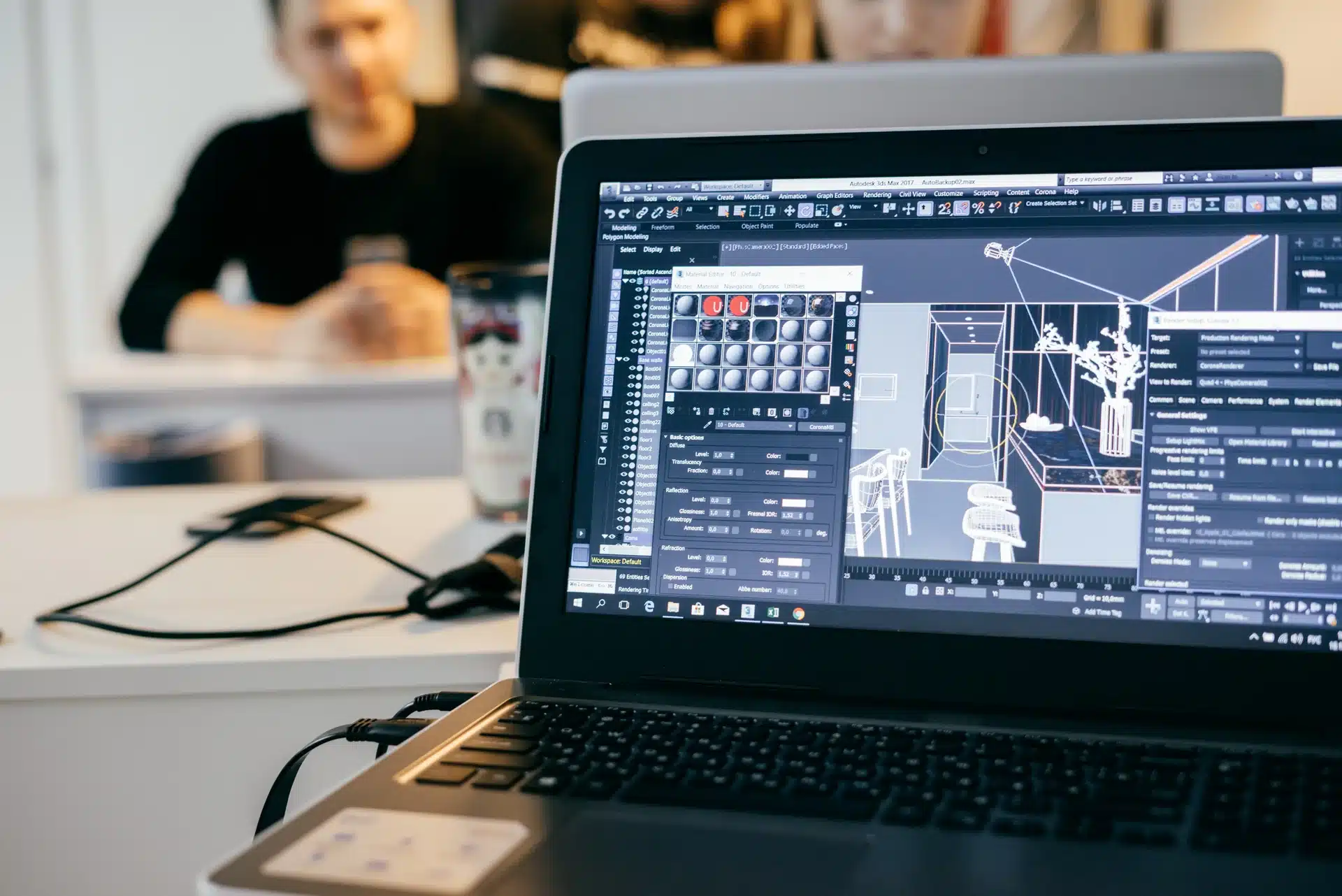
Designer creating detailed 3D rendering of an interior design project on a workstation with architectural models and material previews on screen.

Summary 

  • Technical drawings alone rarely communicate design intent clearly enough for clients or stakeholders to act on.
  • 3D rendering services in Malaysia translate architectural and interior concepts into photorealistic visuals that accelerate decisions and reduce project confusion.
  • Rendering outputs serve different purposes across a project — from early concept studies through to client presentations and marketing.
  • Choosing the right format — stills, walkthroughs, or VR — depends on your project stage and who the audience is.
  • Multiply Studio supports architecture and interior design teams with rendering that makes ideas easier to present, approve, and build.

Design intent rarely survives a set of drawings alone. When clients cannot picture a space clearly, feedback stalls, approvals take longer, and revision cycles multiply. It is a familiar problem — and one that 3D rendering addresses directly.

For architecture, interior design, and property development teams in Malaysia, 3D rendering services have become a standard part of project delivery. They turn technical drawings into realistic images that clients and stakeholders can engage with confidently — before a single thing is built.

This article covers how rendering services work across different project stages, which outputs to use and when, and what to prepare before you brief a rendering partner.

The Case for Rendering Before Anything Gets Built

The straightforward answer: it removes ambiguity. When stakeholders can see realistic lighting, material finishes, and spatial proportions in context, they spend less time misreading drawings and more time making decisions.

3D rendering also shifts feedback earlier in the process. Issues that would normally surface during construction — a ceiling that reads too low, a material pairing that clashes — are far cheaper to resolve at the visualisation stage.

For teams working across architecture, interior design, or mixed-use development, rendering services typically support three outcomes: clearer client communication, faster stakeholder approval, and stronger marketing presentations.

Architectural Visualisation Services for Stakeholder Communication

Architectural visualisation services help teams explain ideas more clearly to clients and project stakeholders. Instead of only using drawings, teams can show realistic images that are easier to understand.

These services help with:

  • Explaining design ideas during meetings
  • Getting faster client feedback
  • Showing space layout and flow clearly
  • Helping teams agree on design direction
  • Reducing misunderstandings in discussions
  • Supporting approval presentations.

Types of 3D Rendering Services for Architecture & Interior Design

There are different types of 3D rendering services used in design projects. Each type serves a different purpose depending on the project stage — some are used for design approval, others for marketing or client presentation.

Exterior, Interior, Context — Choosing the Right View 

Different views explain different aspects of a project. Most projects use a combination depending on the audience and purpose.

View Type

What It Shows

Best Used For 

Exterior Rendering

Overall building form and façade 

Planning submissions, developer marketing 

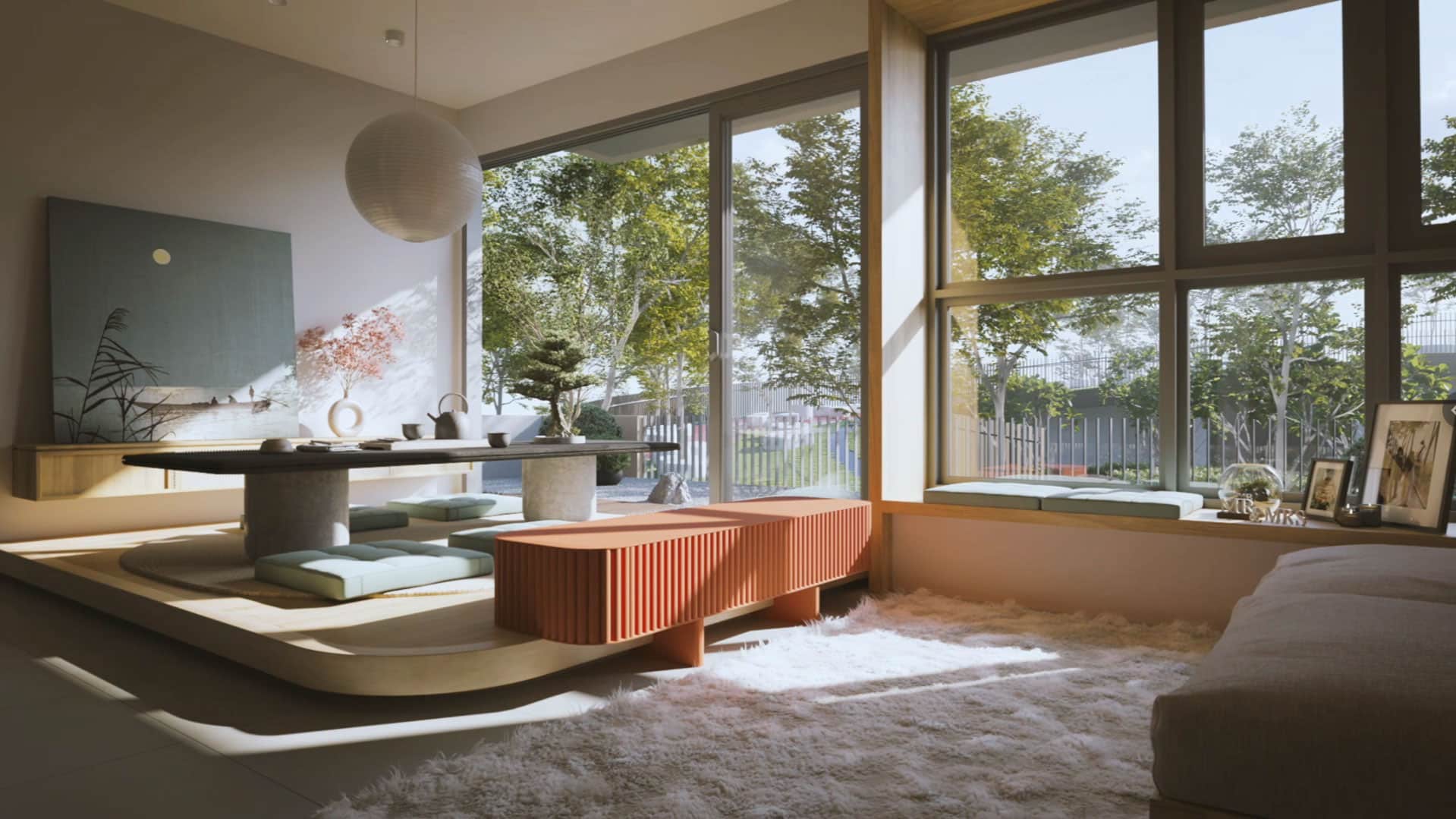
Interior Rendering

Spatial layout, finishes, and lighting 

Client presentations, design approval 

Context Rendering

Building within its surroundings 

Stakeholder briefings, urban design reviews 

Exterior renders establish scale and identity. Interior renders help clients connect with how a space will feel to live or work in. Context renders are particularly useful when a project needs to demonstrate its relationship with surrounding structures or landscape.

Once different visual perspectives are understood, the next step is often deciding how these outputs should be used in real project situations. Connect with a 3D rendering expert to help design teams like yours to translate concepts into clear, decision-ready presentations.

Stills, Walkthroughs, or VR — Which Format Fits Your Project? 

The right format depends on what you are trying to achieve and who you are presenting to.

Format

What It Delivers

Typical Use 

Static Renders   

High-resolution still images

Design approval, print, web

Walkthrough Animation   

Guided video through the space

Investor pitches, marketing

360° Panoramas  

Scrollable immersive views

Remote client reviews 

VR Visualisation 

Headset-ready spatial experience 

Design validation, high-value presentations 

Still renders are the most versatile starting point — they work across presentations, planning submissions, and digital marketing. Walkthroughs add narrative: they guide the viewer through the project in a controlled sequence, which is useful when you need to tell a project story rather than simply show it. VR is most effective when the audience needs to experience scale and spatial flow directly.

For most architecture and interior design projects, a combination of stills and one animated format is sufficient to cover both approval and marketing needs.

Need help deciding which format fits your project stage? Reach out for expert 3D rendering services to see how different outputs are applied across project types.

What to Prepare Before Briefing a Rendering Partner

Clear briefing directly affects the quality and turnaround of your renders. The more precise your inputs, the fewer revision rounds you will need.

Provide at the briefing stage:

  • Architectural drawings — plans, sections, and elevations
  • Material palettes or finishes schedules
  • Reference images or moodboards that communicate the intended atmosphere
  • A list of key views or priority spaces
  • Confirmation of output format and resolution required
  • Agreed timeline and revision stages.

If your drawings are still in early-stage CAD or BIM format, a good rendering partner will work from these directly — but it helps to confirm this at the outset rather than mid-project.

Elevate Your Next Project Presentation with Multiply Studio

Are your current visuals helping stakeholders understand your design clearly — or are they leaving room for interpretation?

Multiply Studio works with architecture and interior design teams across Malaysia to produce 3D rendering services in Malaysia that is precise, photorealistic, and built for how projects actually get presented and approved. From early concept imagery through to marketing animations, the focus is on visuals that move projects forward.

Contact us to discuss your next project and find out which rendering approach suits your timeline and goals.

Share the Post:
Designer creating detailed 3D rendering of an interior design project on a workstation with architectural models and material previews on screen.

Summary 

  • Technical drawings alone rarely communicate design intent clearly enough for clients or stakeholders to act on.
  • 3D rendering services in Malaysia translate architectural and interior concepts into photorealistic visuals that accelerate decisions and reduce project confusion.
  • Rendering outputs serve different purposes across a project — from early concept studies through to client presentations and marketing.
  • Choosing the right format — stills, walkthroughs, or VR — depends on your project stage and who the audience is.
  • Multiply Studio supports architecture and interior design teams with rendering that makes ideas easier to present, approve, and build.

Design intent rarely survives a set of drawings alone. When clients cannot picture a space clearly, feedback stalls, approvals take longer, and revision cycles multiply. It is a familiar problem — and one that 3D rendering addresses directly.

For architecture, interior design, and property development teams in Malaysia, 3D rendering services have become a standard part of project delivery. They turn technical drawings into realistic images that clients and stakeholders can engage with confidently — before a single thing is built.

This article covers how rendering services work across different project stages, which outputs to use and when, and what to prepare before you brief a rendering partner.

The Case for Rendering Before Anything Gets Built

The straightforward answer: it removes ambiguity. When stakeholders can see realistic lighting, material finishes, and spatial proportions in context, they spend less time misreading drawings and more time making decisions.

3D rendering also shifts feedback earlier in the process. Issues that would normally surface during construction — a ceiling that reads too low, a material pairing that clashes — are far cheaper to resolve at the visualisation stage.

For teams working across architecture, interior design, or mixed-use development, rendering services typically support three outcomes: clearer client communication, faster stakeholder approval, and stronger marketing presentations.

Architectural Visualisation Services for Stakeholder Communication

Architectural visualisation services help teams explain ideas more clearly to clients and project stakeholders. Instead of only using drawings, teams can show realistic images that are easier to understand.

These services help with:

  • Explaining design ideas during meetings
  • Getting faster client feedback
  • Showing space layout and flow clearly
  • Helping teams agree on design direction
  • Reducing misunderstandings in discussions
  • Supporting approval presentations.

Types of 3D Rendering Services for Architecture & Interior Design

There are different types of 3D rendering services used in design projects. Each type serves a different purpose depending on the project stage — some are used for design approval, others for marketing or client presentation.

Exterior, Interior, Context — Choosing the Right View 

Different views explain different aspects of a project. Most projects use a combination depending on the audience and purpose.

View Type

What It Shows

Best Used For 

Exterior Rendering

Overall building form and façade 

Planning submissions, developer marketing 

Interior Rendering

Spatial layout, finishes, and lighting 

Client presentations, design approval 

Context Rendering

Building within its surroundings 

Stakeholder briefings, urban design reviews 

Exterior renders establish scale and identity. Interior renders help clients connect with how a space will feel to live or work in. Context renders are particularly useful when a project needs to demonstrate its relationship with surrounding structures or landscape.

Once different visual perspectives are understood, the next step is often deciding how these outputs should be used in real project situations. Connect with a 3D rendering expert to help design teams like yours to translate concepts into clear, decision-ready presentations.

Stills, Walkthroughs, or VR — Which Format Fits Your Project? 

The right format depends on what you are trying to achieve and who you are presenting to.

Format

What It Delivers

Typical Use 

Static Renders   

High-resolution still images

Design approval, print, web

Walkthrough Animation   

Guided video through the space

Investor pitches, marketing

360° Panoramas  

Scrollable immersive views

Remote client reviews 

VR Visualisation 

Headset-ready spatial experience 

Design validation, high-value presentations 

Still renders are the most versatile starting point — they work across presentations, planning submissions, and digital marketing. Walkthroughs add narrative: they guide the viewer through the project in a controlled sequence, which is useful when you need to tell a project story rather than simply show it. VR is most effective when the audience needs to experience scale and spatial flow directly.

For most architecture and interior design projects, a combination of stills and one animated format is sufficient to cover both approval and marketing needs.

Need help deciding which format fits your project stage? Reach out for expert 3D rendering services to see how different outputs are applied across project types.

What to Prepare Before Briefing a Rendering Partner

Clear briefing directly affects the quality and turnaround of your renders. The more precise your inputs, the fewer revision rounds you will need.

Provide at the briefing stage:

  • Architectural drawings — plans, sections, and elevations
  • Material palettes or finishes schedules
  • Reference images or moodboards that communicate the intended atmosphere
  • A list of key views or priority spaces
  • Confirmation of output format and resolution required
  • Agreed timeline and revision stages.

If your drawings are still in early-stage CAD or BIM format, a good rendering partner will work from these directly — but it helps to confirm this at the outset rather than mid-project.

Elevate Your Next Project Presentation with Multiply Studio

Are your current visuals helping stakeholders understand your design clearly — or are they leaving room for interpretation?

Multiply Studio works with architecture and interior design teams across Malaysia to produce 3D rendering services in Malaysia that is precise, photorealistic, and built for how projects actually get presented and approved. From early concept imagery through to marketing animations, the focus is on visuals that move projects forward.

Contact us to discuss your next project and find out which rendering approach suits your timeline and goals.

Share the Post:

Related Posts

Join Our Newsletter